Posted on — Leave a comment

Sleep better: light, air and quiet

Sleep better: light, air and quiet

We spend about a third of our lives asleep, but we rarely think about the room we sleep in. Yet light, air and sound have a big effect on how well we rest. Here are a few simple changes you can make tonight.

Dark at night, light in the morning

Your body clock follows light. Darkness tells your body it is time to sleep; light tells it to wake up. Keep the bedroom as dark as possible at night. Cover small lights from chargers and devices.

In the morning, light helps you wake up. In winter, it is often still dark when the alarm goes. The Zonnewende wake-up light alarm clock slowly brightens over thirty minutes before your alarm, like a sunrise. Most people wake up more easily and in a better mood. In the evening, its sunset mode dims slowly to help you fall asleep.

Need light to get to the bathroom at night? A night light with motion sensor gives just enough light to see, without waking you up fully.

Cool, fresh air

Most people sleep best in a cool room, between 16 and 19 degrees. A room that is too warm makes you restless.

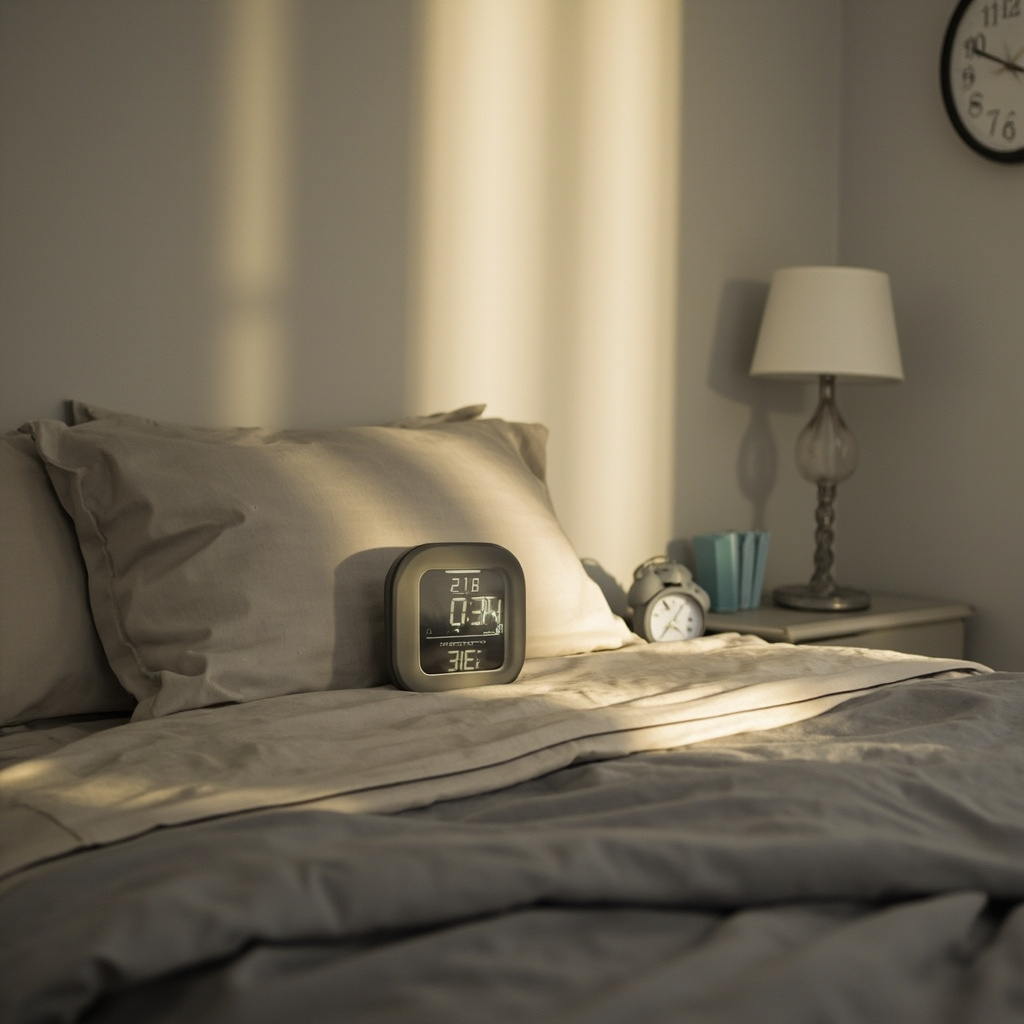
Humidity matters too. Below about 40 percent, the air feels dry, and your throat may feel scratchy in the morning. Above 60 percent, the room feels stuffy, and mold can grow. A digital indoor thermometer and hygrometer shows both numbers, with a small face that tells you if the air is right. Air the bedroom for ten minutes every morning.

Quiet

Small sounds can keep you awake. A ticking clock is one of the most common. The wall clock with silent movement has a second hand that glides instead of ticks, so you won’t hear it. If your partner reads in bed, a clip-on reading lamp lights only the page, not the whole room.

A bed that invites you in

Fresh bedding, a soft throw at the foot of the bed and a tidy room help your mind settle. Clear the bedside table of everything but a lamp, a book and a glass of water. Under-bed storage bags keep spare bedding and out-of-season clothes out of sight.

A routine

Go to bed and get up at about the same time every day, also at the weekend. Your body likes rhythm. Within a week or two, you may find that you wake up just before your alarm, rested and ready for the day.
Posted on — Leave a comment

Long summer evenings in the garden

Long summer evenings in the garden

Some of the best moments of summer happen in the garden after dinner, when the heat of the day is gone and the light turns golden. With a few simple things, you can stretch those evenings long after sunset.

Light that feels warm

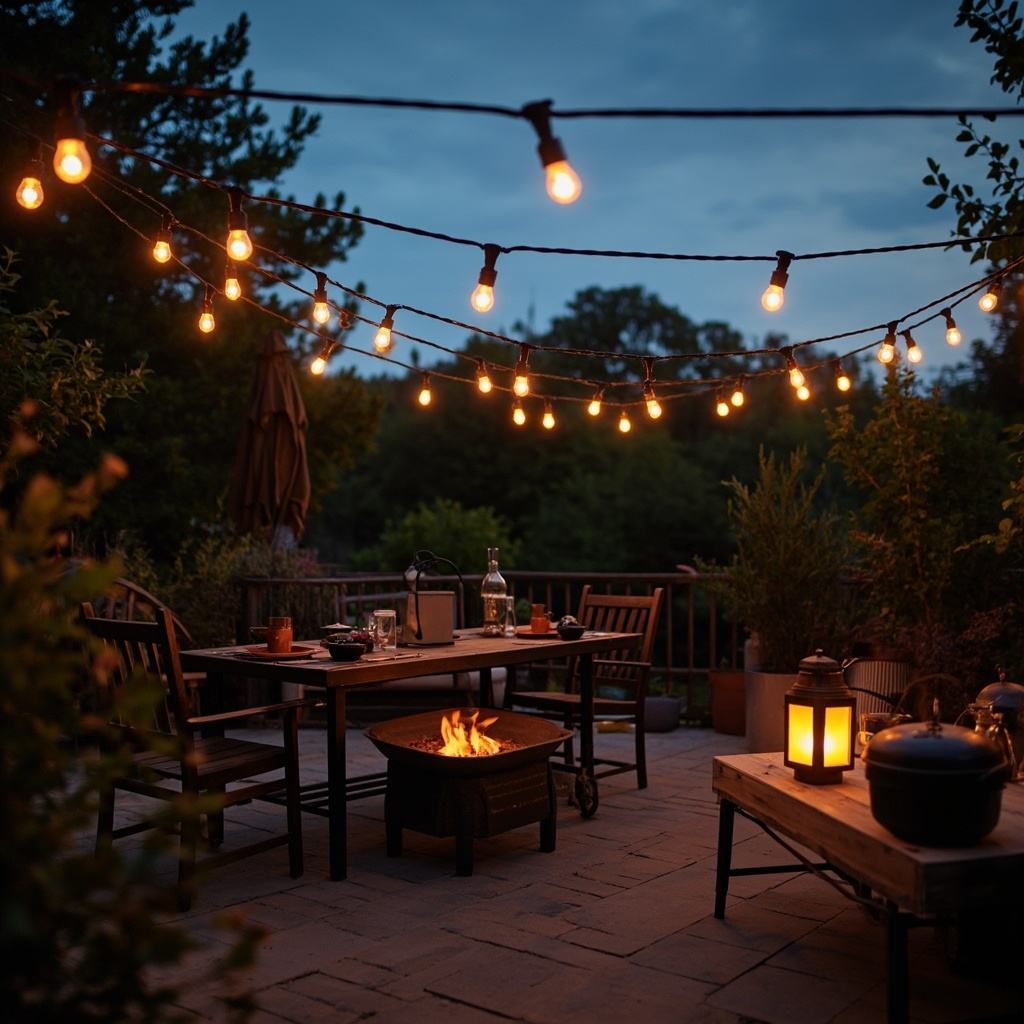
Bright floodlights chase the mood away. Soft, low light invites you to stay. Hang the outdoor string lights, 10 meters, along a fence, over a pergola or between two trees. The built-in timer turns them on every evening. On the table, a solar table lantern gives a warm glow like a candle, without a flame. Along the path, the solar garden lights, set of 6, show the way to the house.

Cook outside

Food tastes better outside. The charcoal barbecue 45 cm has a lid, so you can cook a whole chicken or vegetables slowly, like in an oven. Short on time? The tabletop gas barbecue is hot in five minutes. Keep the barbecue tools, 3 pieces, at hand, with their long handles that keep your hands away from the heat.

Prepare salads and drinks in advance. Keep them cold in the cool box 25 liters next to the table, so nobody has to walk back and forth to the kitchen.

Warmth when the sun goes down

Even in summer, evenings can cool down fast. A steel fire pit 60 cm gives warmth and something to look at. Sit around it with a few friends, and conversation comes by itself. Use dry wood, and keep a bucket of water nearby. A knitted throw or a fleece blanket over the back of each chair does the rest.

A comfortable spot

A hammock with spreader bar between two trees is the most relaxing seat in any garden. Folding camping chairs give extra seats when friends drop by, and fold away when they leave.

Keep the mosquitoes away

Mosquitoes breed in still water. Empty saucers and buckets, and keep the lid on the rain barrel. A pond with a pump that keeps the water moving has fewer mosquitoes too.

Music, softly

A little background music finishes the evening. The Zonnewende bluetooth speaker, waterproof, plays for twelve hours and doesn’t mind a drop of dew. Keep the volume low: your neighbors are enjoying their evening too.

Posted on — Leave a comment

Rainy-day ideas for kids

Rainy-day ideas for kids

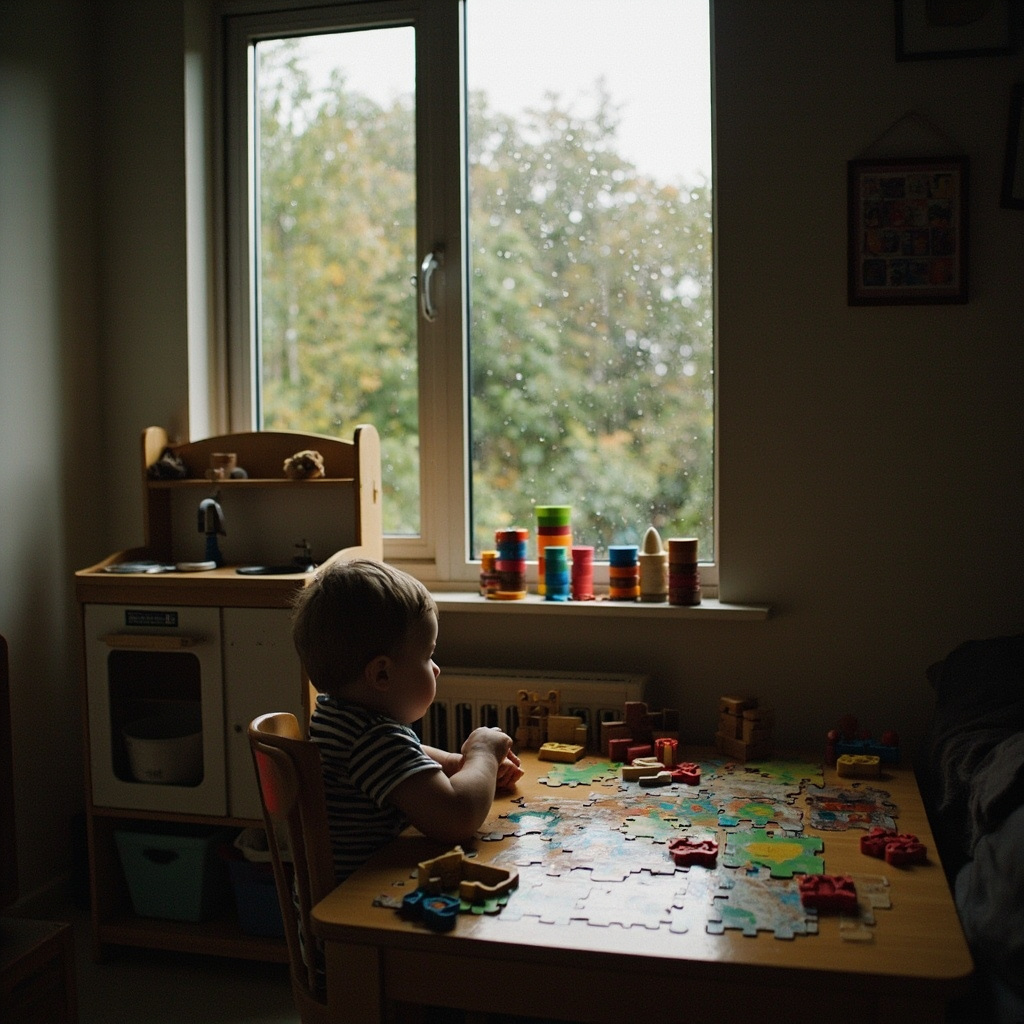
A rainy day with children at home can feel long. With a few good ideas, it can also be one of the best days of the week. Here are seven ways to fill an afternoon without a screen.

1. Build something big

Pull out every building toy you have and build a whole city on the floor. The wooden block set, 100 pieces, makes towers and walls. The magnetic building tiles, 60 pieces, fold up into houses and rockets. Lay the wooden train with tracks through the middle, and the city comes alive.

2. Open a café

Pretend play keeps children busy for hours. Set up the wooden play kitchen as a café. One child cooks, another serves, and the grown-ups order. The wooden tea set is perfect for a tea party with the teddy bear and the plush rabbit as guests.

3. Paint a picture

Cover the table with old newspaper, fill two glasses with water, and open the watercolor paint set. Paint the view from the window, a favorite animal or a made-up monster. Use thick paper, so it doesn’t curl. Hang the results on the wall like an exhibition.

4. Do a puzzle together

For the youngest, the wooden puzzle with knobs, farm animals, is a first success. Older children can try the puzzle 500 pieces for kids, with its cheerful zoo. Start with the edges and sort the pieces by color.

5. Play a game

A short game fits any afternoon. The board game Farmyard Gang takes about twenty minutes and mixes luck with a little counting. The card game Farmyard Swap is even quicker. Dominoes in a tin box work as a game, and as a long chain to knock over.

6. Build a den

A few chairs, a table and some blankets make the best den in the world. Add a fleece blanket on the floor, cushions and a clip-on reading lamp, and read a book inside.

7. Go out anyway

Rain isn’t a problem with the right clothes. Put on the kids’ rain jacket and the kids’ rain boots, and go puddle jumping. Ten minutes outside in the rain often does more for a restless child than an hour inside. Back home, hot chocolate is waiting.

Whatever you choose, join in for part of it. Children remember the afternoons when their parents built the den with them.

Posted on — Leave a comment

Better coffee at home

Better coffee at home

Good coffee at home doesn’t need an expensive machine. Most of the difference between a so-so cup and a great one comes from three things: fresh beans, the right grind and a warm cup.

Grind just before you brew

Coffee beans keep their aroma for weeks. Ground coffee loses most of it within an hour. That is why coffee from a bag of ground coffee tastes flat compared with coffee ground just before brewing.

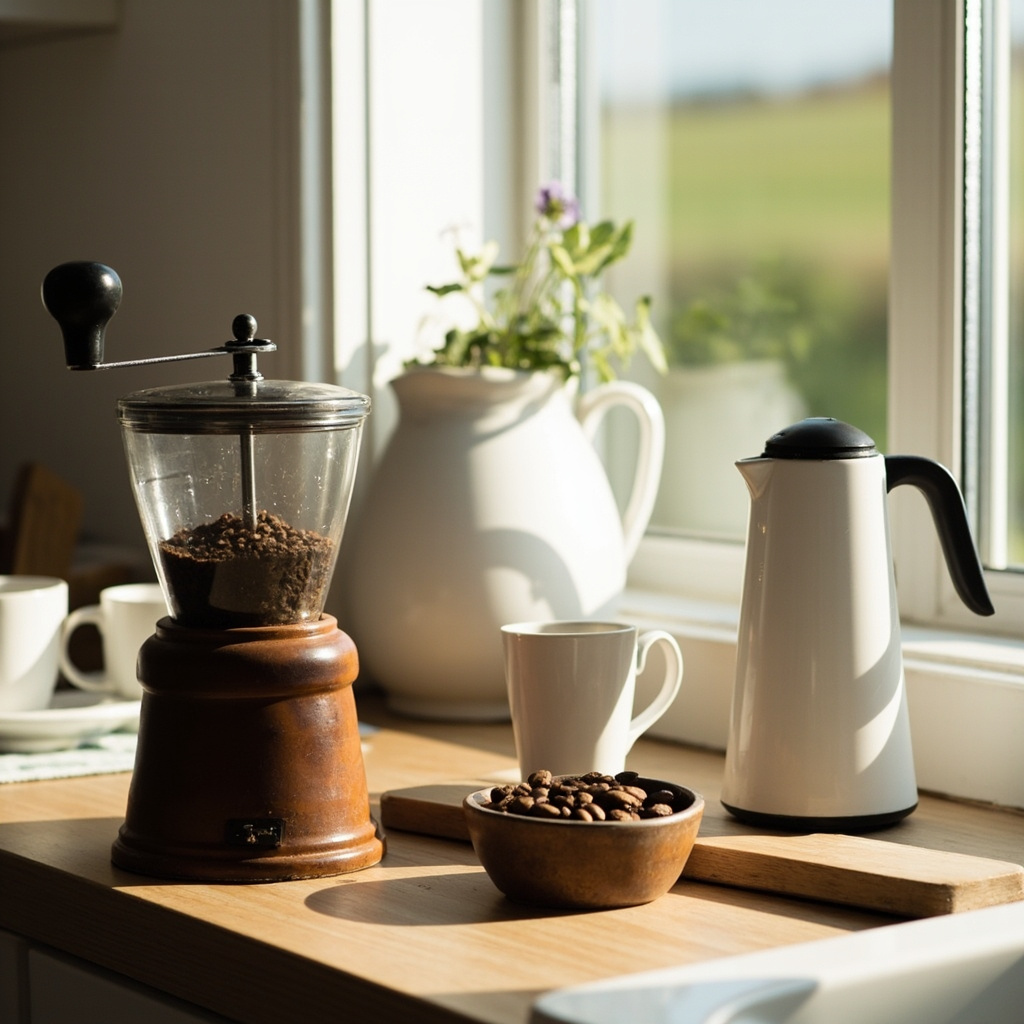
The Brammels manual coffee grinder has ceramic burrs that crush the beans to an even size. Grinding 30 grams, enough for two large cups, takes about a minute. It is quiet, so you can grind early without waking the house.

Match the grind to the method

  • Fine, like flour, for espresso.
  • Medium, like sand, for filter coffee.
  • Coarse, like sea salt, for a French press or cold brew.

Too fine, and the coffee turns bitter. Too coarse, and it tastes weak and sour. Adjust the grinder one step at a time until you like the result.

Store beans well

Keep beans in an airtight container, in a dark, cool cupboard. Not in the fridge: beans take on smells and moisture there. Buy small amounts that you use within two or three weeks.

Warm your cups

A cold cup takes heat from your coffee. Fill your cups with hot water from the kettle, wait a minute, pour it out, and then make your coffee. Thick-walled cups, like the cappuccino cups, set of 6, and the espresso cups, set of 4, hold that warmth for a long time.

Milk foam like a café

The electric milk frother makes foam in about ninety seconds. Use cold, whole milk for the creamiest foam. Choose firm foam for a cappuccino and light foam for a latte. Pour the coffee first, then the milk, and spoon the foam on top. In summer, the cold setting makes foam for iced coffee.

Water matters too

Coffee is almost all water. If your tap water tastes of chlorine, let it stand for a while or use filtered water. Don’t use water straight off the boil for filter coffee: let the kettle rest for half a minute first.

Take it with you

Made a full pot? Pour it into the vacuum flask 1 liter, and it stays hot for twelve hours. The grinder is small enough to take on a camping trip, so you can have fresh coffee by the tent.

Posted on — Leave a comment

A tidy hallway that stays tidy

A tidy hallway that stays tidy

The hallway is the first thing you see when you come home, and the first thing your guests see. It is also where coats, bags, shoes, keys and sand collect. With a few simple fixes, it becomes a calm entrance again.

Stop the dirt at the door

Most of the dirt in a home comes in on shoes. Two mats stop most of it. Outside, the rubber doormat 50 x 80 scrapes off mud and lets rain and snow fall through. Inside, the coir doormat 40 x 60 brushes off the rest. Shake both out once a week.

A home for shoes

Shoes in a pile by the door take up space and collect dust. The shoe rack with 3 tiers holds nine pairs and is only thirty centimeters deep. Keep the shoes you wear every day on the rack. Store the rest in clear shoe boxes, set of 6, on a shelf in the wardrobe. The front doors let you take out one pair without moving the stack.

Coats on the wall

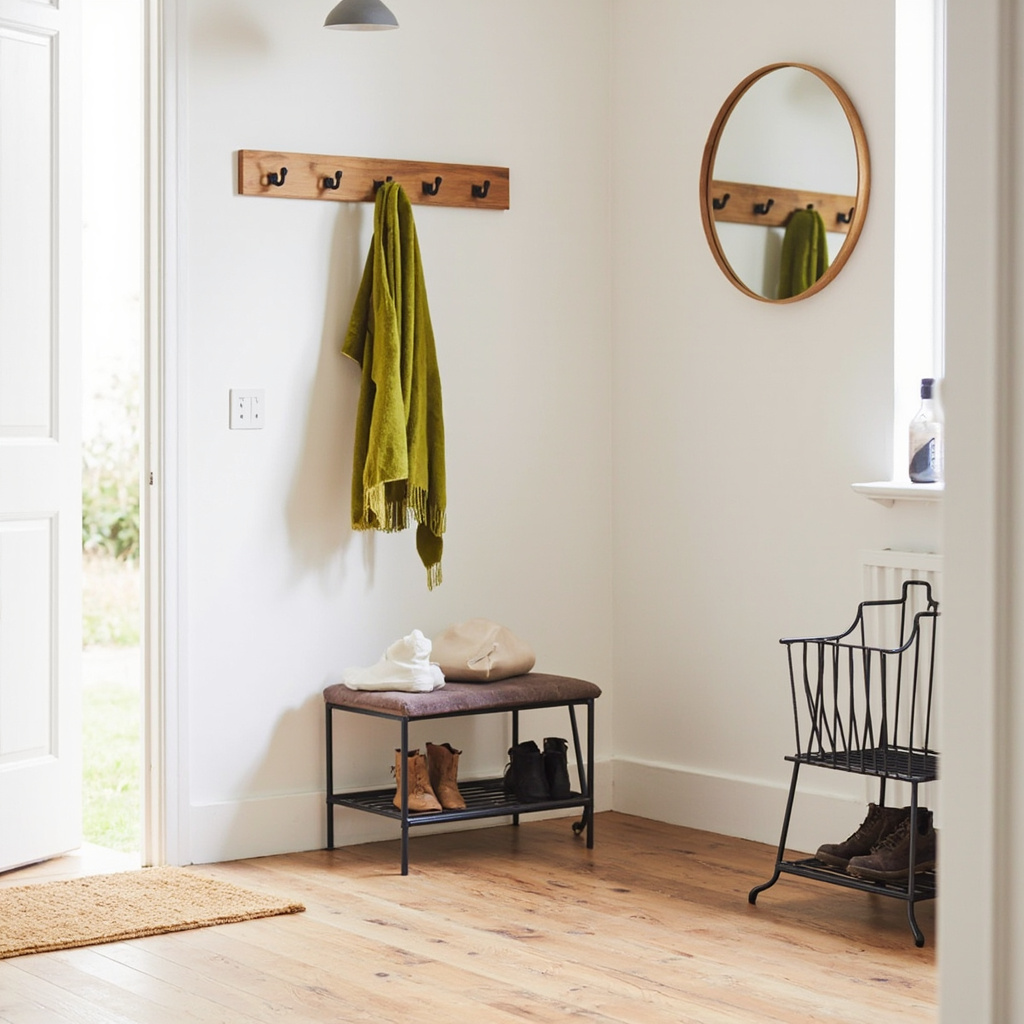
The wall coat rack with 5 hooks gives you ten hanging spots on one oak board. Long hooks for coats, short hooks for bags, scarves and the dog leash. Hang a second rack lower on the wall for children. When they can reach their own hook, they hang up their own coat.

For busy days, or when guests come, a clothes rack on wheels gives extra room.

A spot for small things

Keys, sunglasses, gloves and post end up on every flat surface. Give them one place. A small seagrass storage basket on a shelf or a bamboo drawer organizer in a drawer catches everything. Empty it once a week.

Light and a mirror

Hallways are often dark. A round wall mirror 60 cm reflects light and makes a narrow hallway feel wider. It is also handy for a last look before you leave. For the dark winter evenings, a night light with motion sensor turns on by itself when you come in. Outside, an outdoor wall lamp with motion sensor lights up the path and the lock.

The five-minute rule

A tidy hallway stays tidy with a small habit. Every evening, take five minutes: shoes on the rack, coats on hooks, bags off the floor, keys in the basket. It is much easier than one big cleanup on Saturday.

Posted on — Leave a comment

Your first week with a new dog

Your first week with a new dog

Bringing home a new dog is one of the happiest days there is. It is also a big change, for you and for the dog. A little preparation makes the first week calmer for everyone.

Before day one: the basics

Have these ready before your dog arrives:

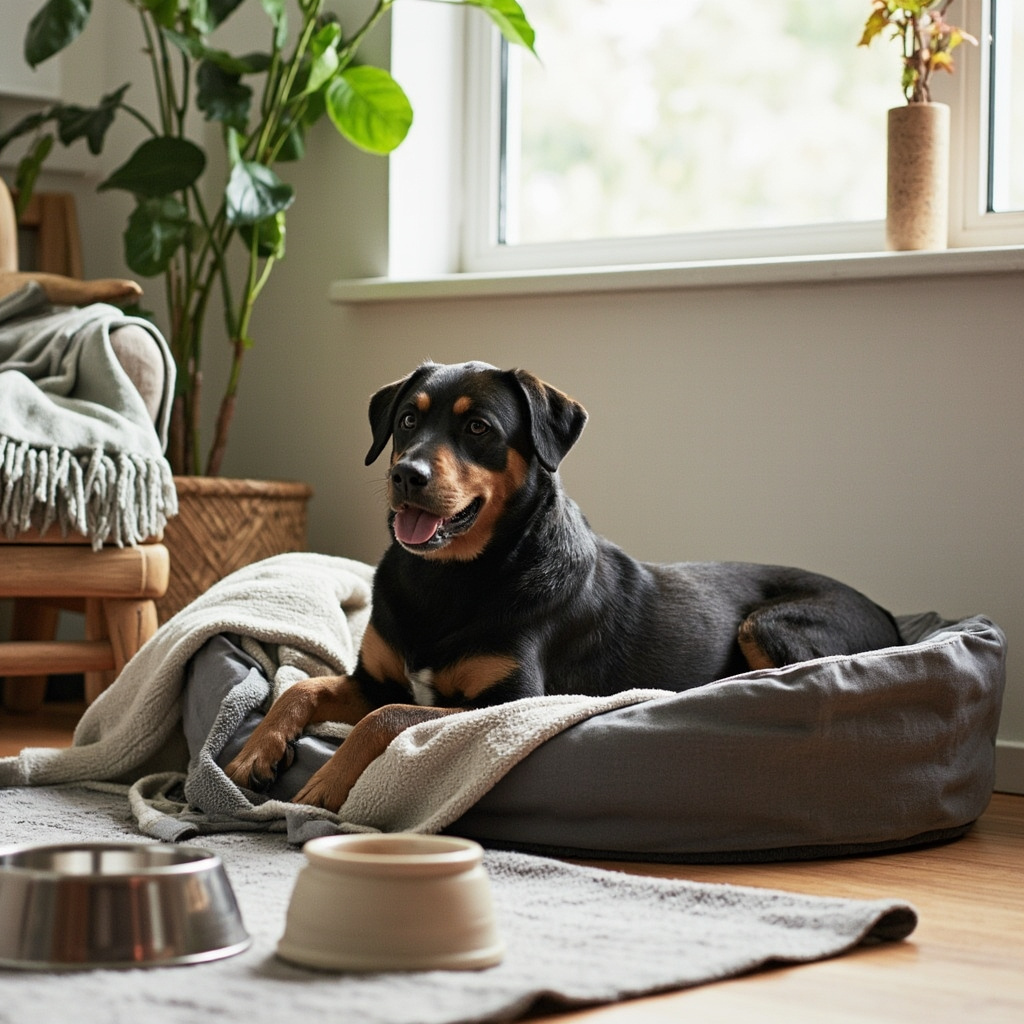
  • A bed in a quiet corner. The Kwispelhof round dog bed has a raised rim that many dogs like to rest their head on.
  • Two bowls, one for food and one for water. Stainless steel food bowls are easy to clean. A heavy ceramic water bowl doesn’t tip over.
  • A collar with a name tag and your phone number, and a leash. The leather dog collar and the leather dog leash 1.5 meters are a classic pair.
  • Poop bags with a holder that clips onto the leash.
  • Food, preferably the same food your dog ate before, in an airtight pet food storage container.

Collar or harness?

A collar is fine for a dog that walks calmly. Many new dogs pull, especially in the first weeks. A padded dog harness spreads the pull over the chest instead of the throat. It is kinder and gives you more control. Use the collar for the name tag, and clip the leash to the harness.

The first days

Keep the first days quiet. Your dog has a lot to take in: new smells, new sounds, new people. Let it explore one or two rooms first. Don’t invite all your friends at once.

Show your dog where it sleeps, where it eats and where it can go outside. Go out often, after waking, after eating and after play. Praise every success outside.

Routine helps

Dogs feel safe with routine. Feed at the same times, walk at the same times, and go to bed at the same time. After a week or two, your dog knows what to expect.

Play and bond

Play is the fastest way to build a bond. A rope dog toy is good for a gentle game of tug-of-war. Rubber dog balls are made for fetch. Keep play sessions short and end before your dog gets too excited.

Patience

Some dogs settle in within days, others need weeks. Give your dog time. A soft fleece dog blanket with its own smell helps it feel at home, also in the car or at the vet. By the end of the first month, it will feel like your dog has always been there.

Posted on — Leave a comment

Stay warm on a winter walk: the three layers

Stay warm on a winter walk: the three layers

A thick winter coat feels warm when you leave the house. Ten minutes into a brisk walk, you are sweating. When you stop to look at the view, you get cold. The solution is not a thicker coat, but three thinner layers that each do one job.

Layer one: keep your skin dry

The first layer sits against your skin. Its job is not to keep you warm, but to keep you dry. Wet skin loses heat much faster than dry skin. A cotton T-shirt soaks up sweat and stays cold and clammy. A thermal shirt, long sleeve, moves the moisture away from your skin to the outside, where it can evaporate. You stay dry, and dry means warm.

Layer two: hold the warmth

The second layer traps warm air close to your body. Fleece is ideal. It is light, warm and dries quickly. The men’s fleece sweater has a short zip, so you can let out heat when you walk uphill. The women’s fleece jacket has a full zip and a stand-up collar. On a cold but dry day, a quilted body warmer over a fleece keeps your core warm and leaves your arms free.

Layer three: stop wind and rain

The outer layer protects the other two. Wind blows warm air out of a fleece in seconds, and rain soaks it. A windproof, waterproof jacket stops both. The Wolkendek men’s winter jacket, waterproof, has a zip-out inner jacket, so it works as a shell or as a warm coat. The Wolkendek rain jackets have zips under the arms to let out moisture.

Don’t forget the ends

Your head, hands and feet lose heat quickly.

  • A merino wool beanie is thin, warm and doesn’t itch. The folded cuff gives a double layer over your ears.
  • Gloves with touchscreen fingertips let you check a map without baring your hands.
  • Wool socks, 3 pairs, keep your feet warm in boots. For long hikes, the merino hiking socks prevent blisters.
  • A checked scarf closes the gap at your neck.

Adjust as you go

The beauty of layers is that you can adjust them. Open a zip when you warm up. Take off the beanie on a climb. Put everything back on when you stop. Start a walk feeling slightly cool: within ten minutes, you will be just right.

A vacuum flask 1 liter with hot tea in your backpack 30 liters makes every winter walk better.

Posted on — Leave a comment

LED bulbs explained: lumens, kelvin, E27 and E14

LED bulbs explained: lumens, kelvin, E27 and E14

For years, we bought light bulbs by watts: 40 for a bedside lamp, 60 for a table lamp, 100 for the ceiling. LED bulbs use so little power that watts no longer tell you much. Here is what to look at instead.

Lumens: how bright

Lumens measure the amount of light a bulb gives. More lumens means more light. As a rough guide:

  • about 250 lumens is like an old 25 watt bulb, for a night light or a decorative lamp,
  • about 470 lumens is like 40 watt, for a bedside lamp or a chandelier,
  • about 806 lumens is like 60 watt, for most table and floor lamps,
  • 1500 lumens or more is like 100 watt, for a ceiling light in a large room.

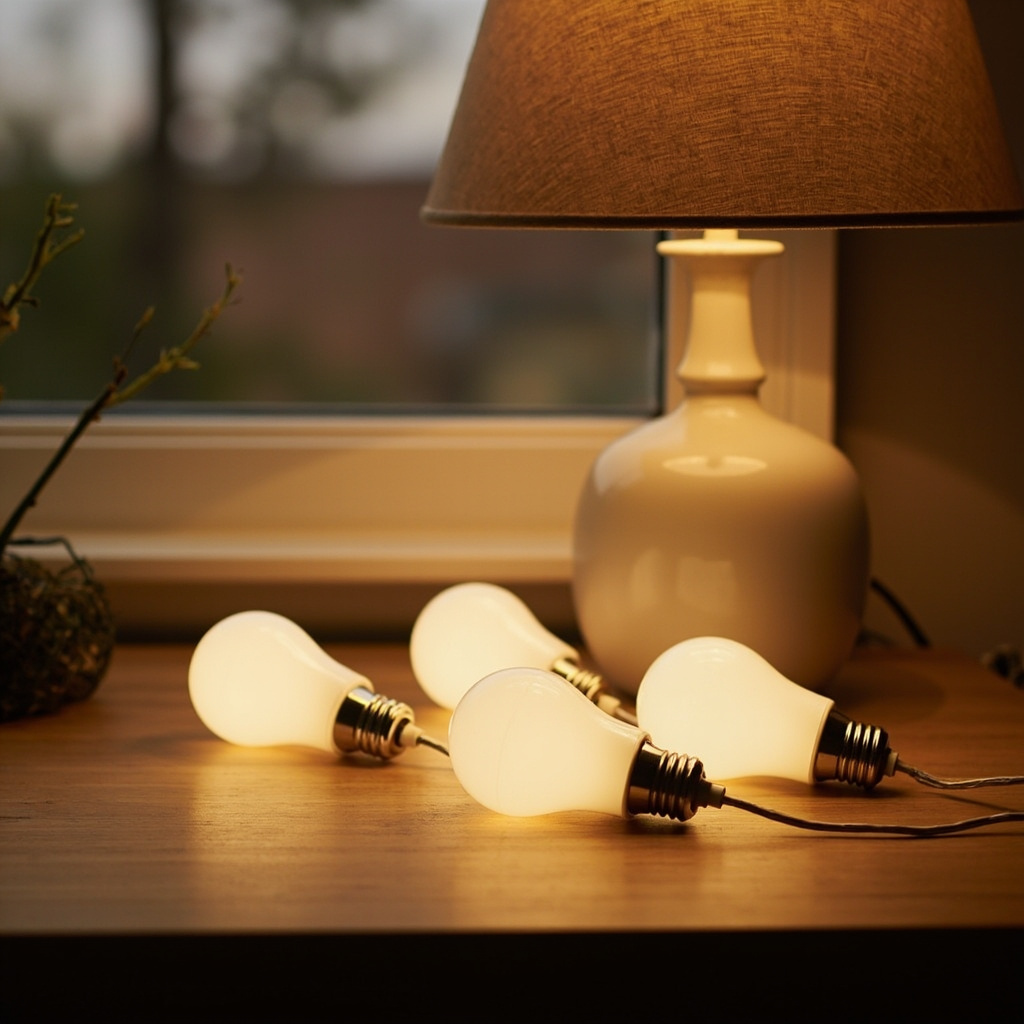
Our LED bulb E27, warm white, 3 pieces, gives 806 lumens for only 7 watt. The LED candle bulb E14, 3 pieces, gives 470 lumens for 4 watt.

Kelvin: the color of the light

White light comes in many colors. Kelvin, written as K, measures it. A low number is warm and yellow; a high number is cool and blue.

  • 2700 K is warm white, like an old bulb. Cozy for a living room and a bedroom.
  • 4000 K is neutral white. Good for a kitchen, a bathroom and a desk.
  • 5000 K and more is cool daylight. Good for a workshop or detailed work.

Can’t decide? The LED desk lamp with dimmer has all three, and the Zonnewende smart LED bulb E27, color, changes from warm to cool from your phone.

E27 and E14: the fitting

The fitting is the screw thread at the bottom. The number is its width in millimeters. E27 is the large, common fitting in table lamps, floor lamps and pendant lamps. E14 is the narrow fitting in chandeliers, wall lamps and small lamps. Check the old bulb or the label inside the lamp before you buy. The two don’t fit each other.

Dimmable or not

Not every LED bulb can be dimmed. A bulb that isn’t dimmable flickers or hums on a dimmer switch. Check the pack. Our basic E27 and E14 bulbs are not dimmable; the smart bulb dims from the app.

Why it is worth switching

An LED bulb uses about a tenth of the power of an old bulb and lasts about fifteen years at a few hours a day. That saves money every month and saves you climbing on the household step ladder, 3 steps, to change bulbs.

Posted on — Leave a comment

A calm bathroom in five steps

A calm bathroom in five steps

The bathroom is the first room you see in the morning and the last at night. When it is cluttered, it doesn’t feel restful. You don’t need to renovate to change that. Five small steps make a big difference.

1. Choose two or three colors

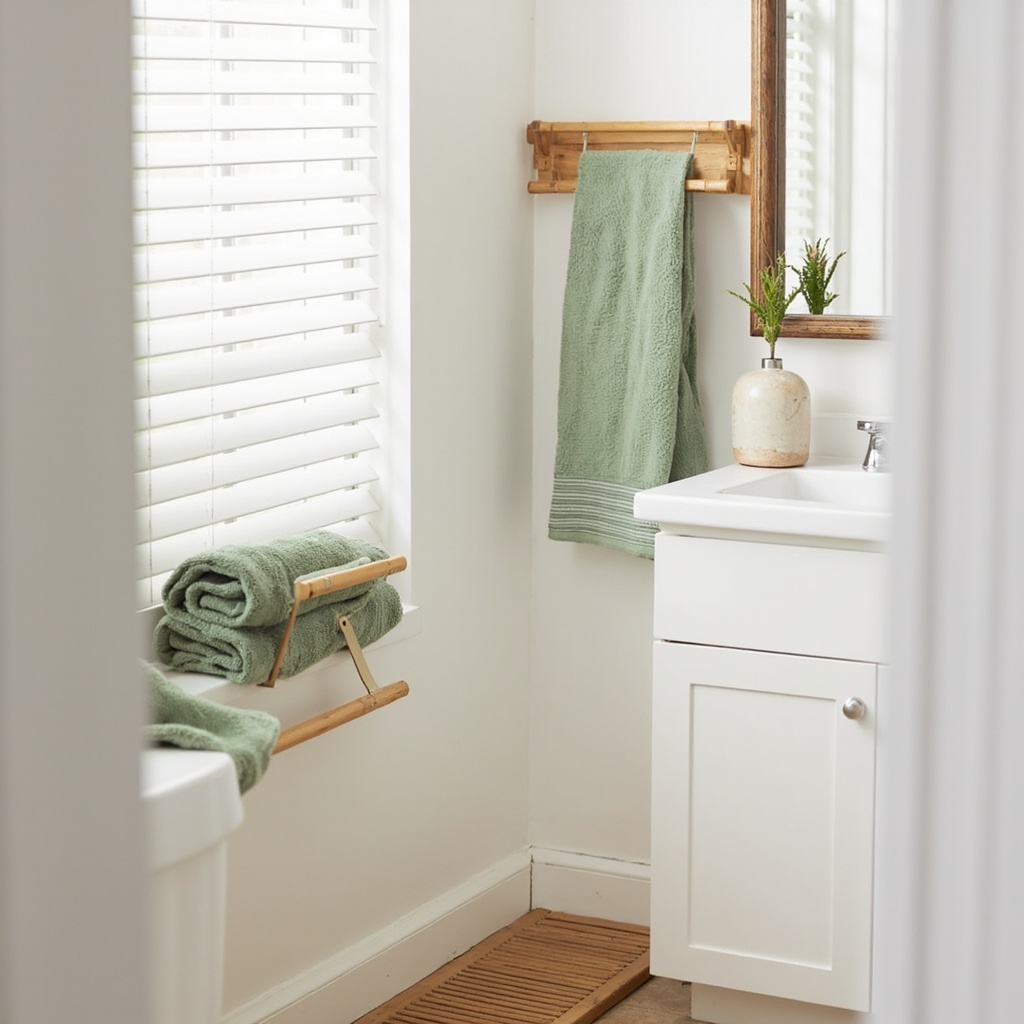
A calm room has few colors. Pick one main color for towels and mats, and one or two quiet colors for the details. The Golfslag bath towel 70 x 140, the hand towel 50 x 100 and the bath mat 60 x 90, cotton, come in the same four colors: white, sand, sage green and anthracite. Sand with sage green is warm and natural. White with anthracite is crisp and modern.

2. Get the bottles off the edges

Shampoo bottles on the edge of the bath and soap in plastic bottles by the sink make any bathroom look busy. Put the shower things in a hanging shower caddy. Fill a stoneware soap dispenser with hand soap, and put toothbrushes in the matching stoneware toothbrush cup. Everything else goes into the bathroom cabinet with mirror.

3. Give towels room to dry

Towels that hang folded on one hook stay damp and start to smell. A freestanding towel rack with three rails lets each towel hang open. They dry faster and look tidy.

4. Thirty seconds after every shower

Limescale on the shower screen comes from drops that dry on the glass. Pull a shower squeegee down the glass after every shower, and the problem disappears. Hang it on its suction hook so it is always within reach. A water-saving shower head reduces the amount of hot water too, which keeps the room less steamy.

5. Add something natural

A wooden bath mat, a small plant on the windowsill or a candle on the edge of the bath brings warmth into a room of tiles and glass. Acacia wood dries quickly after a shower and never gets moldy. For candlelight without a flame, LED candles of real wax are safe near towels.

Keep it up

A calm bathroom stays calm with a short routine. Change hand towels every two or three days, wash bath mats once a week, and take everything off the sink once a month to clean underneath. Ten minutes a week keeps the room as restful as on the first day.

Posted on — Leave a comment

Composting in a small garden

Composting in a small garden

Compost is the best food there is for a garden, and you can make it yourself from waste you already throw away. You don’t need a big garden or a lot of time. One bin in a corner is enough.

Choose a spot

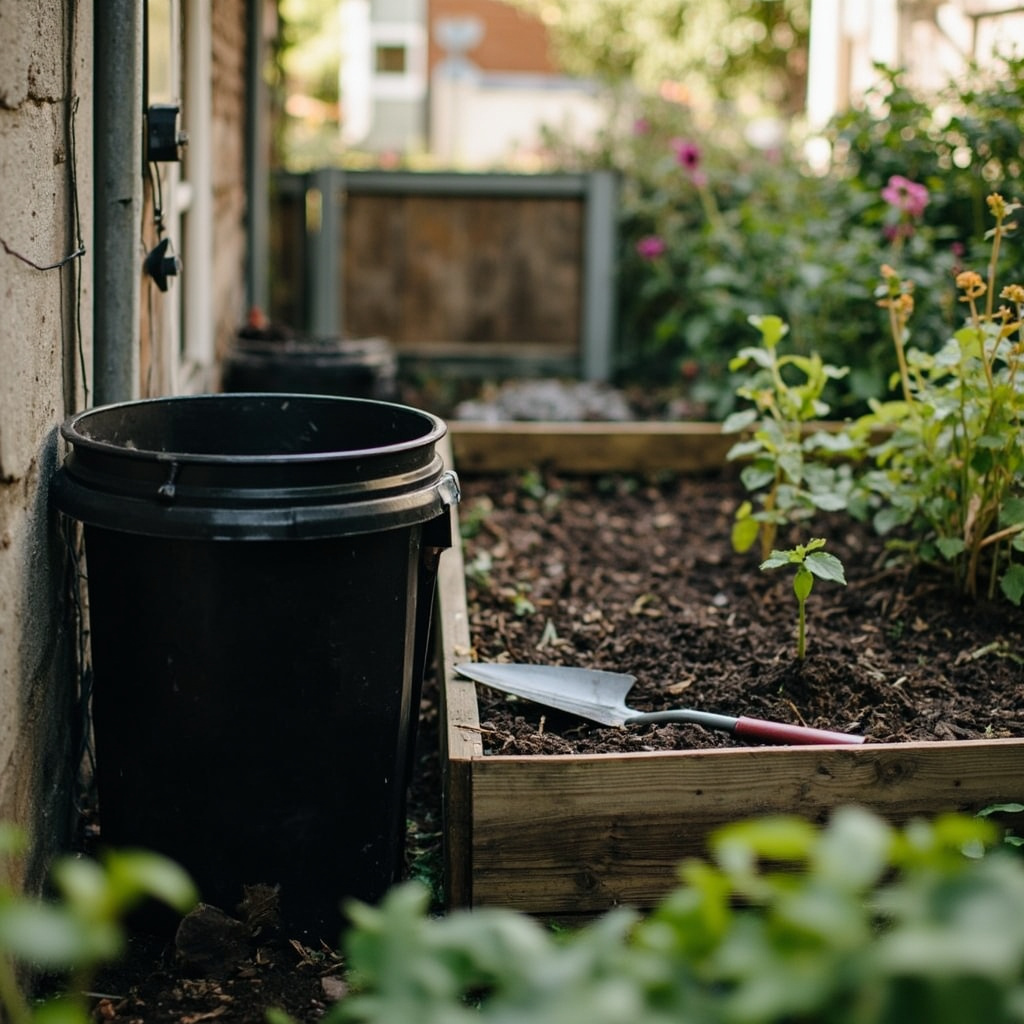
Place the bin directly on soil, not on tiles or concrete. Worms, beetles and other small helpers come in from below and do much of the work. A spot in half shade is best. In full sun, the compost dries out. In deep shade, it stays cold and slow.

The compost bin 300 liters takes about fifteen minutes to set up. The panels click together without screws, and the lid locks so wind and animals stay out.

Green and brown

Good compost needs two kinds of material, in roughly equal amounts.

  • Green: vegetable and fruit peels, coffee grounds, tea leaves, fresh grass clippings and soft plant material. Green brings nitrogen and moisture.
  • Brown: dry leaves, small twigs, straw, torn cardboard and egg boxes. Brown brings carbon and air.

Too much green, and the bin turns wet and smelly. Too much brown, and nothing happens. Add them in thin layers, and the balance takes care of itself. A bag of dry leaves next to the bin, collected in autumn, is handy for all year.

What stays out

Leave out meat, fish, dairy, cooked food with oil, and pet waste. They smell and attract rats. Also leave out weeds with seeds and diseased plants.

Air and water

Compost needs air. The openings in the sides of the bin let it in. Once a month, stir the top layer with a garden fork. The compost should feel like a wrung-out sponge: damp, not wet. In a dry summer, pour a watering can of water over it. Rainwater from the rain barrel works well.

Harvest

After six to twelve months, the bottom of the bin turns into dark, crumbly soil that smells like a forest floor. Open the hatch at the bottom and scoop it out with the garden trowel with ash handle. The new waste keeps going in at the top.

Mix the compost into your borders, or fill the raised garden bed, cedar wood, with a mix of compost and garden soil. Your vegetables will notice the difference.

Small garden, small waste

A family produces a surprising amount of kitchen waste. With a compost bin, much of it goes back into your own garden instead of into a container. Less waste, better soil and free plant food. That is a good deal for one corner of the garden.